The Cabinet Cleanout and the Old Trazodone Bottle: A 2026 Guide to Expiration Dates, Safe Disposal, and Pharmacist Questions
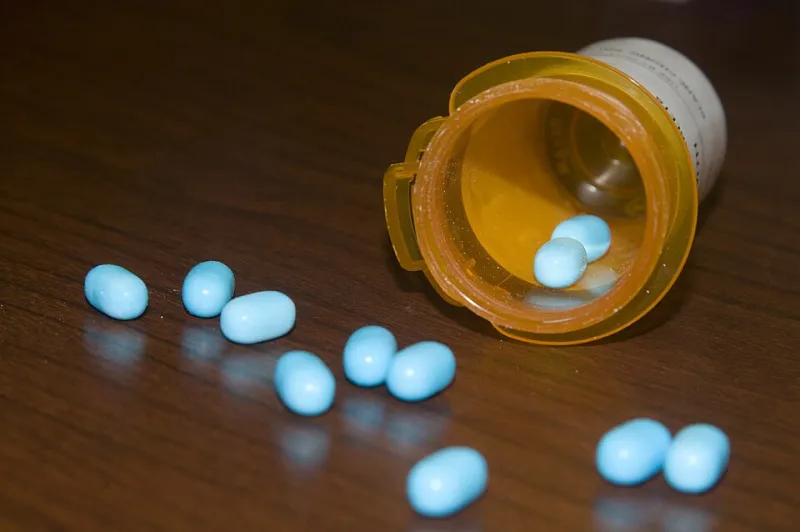
Photo: Christine Cabalo, Public domain, via Wikimedia Commons
A bathroom cabinet cleanout often begins with good intentions: expired sunscreen, half-used ointments, and a bottle of trazodone prescribed during a difficult stretch of sleep. Finding that bottle can raise practical questions. Is it still safe? Can it be saved for another sleepless night? How should it be discarded? This checklist is designed for that moment—not to encourage self-treatment, but to help you make a calm, documented decision and to know when to call a pharmacist.
Start With the Label, Not the Lid
Before opening the bottle, read the pharmacy label. The label is the most reliable record of who the medication was prescribed for, the strength of each tablet, the directions, the fill date, and the prescribing clinician. If the label is missing, torn, or illegible, do not use the medication. An unlabeled bottle cannot be safely identified, and trazodone tablets can look similar to other medications. Set it aside for disposal and ask a pharmacist how to proceed.
Look for two different kinds of dates. The manufacturer’s expiration date is usually printed on the original manufacturer’s bottle or carton. The pharmacy label may also show a fill date and, in some cases, a discard-after date. These dates are not interchangeable. A pharmacy may assign a shorter beyond-use date based on how the medication was dispensed and stored. If the label and the manufacturer’s packaging disagree, treat the earlier date as the safer boundary and ask a pharmacist to clarify.
Storage matters as well. A bottle kept in a hot, humid bathroom for years may not have been protected in the way the manufacturer intended. Tablets that are discolored, crumbly, stuck together, or have an unusual odor should not be used. When in doubt, do not rely on appearance alone. A pharmacist can help you interpret the label and decide whether the bottle should be discarded.
What an Expiration Date Can and Cannot Tell You
An expiration date is not a suggestion to finish the bottle. It is a date beyond which the manufacturer does not guarantee the medication’s strength, quality, or stability under labeled storage conditions. For some medications, using an expired product may mean the dose is less predictable. For trazodone, an expired tablet is not a reasonable substitute for a current prescription, and it is not a reason to take an extra tablet to compensate.
Do not assume that a tablet kept in a cabinet is fine because it “looks normal.” Do not crush, split, or combine old tablets to create a dose. Do not use leftover trazodone for a new sleep problem, for a different person, or for a situation that feels like an emergency. If you are having trouble sleeping, contact your clinician or pharmacist. They can review your current medications, discuss whether trazodone is still appropriate, and help you avoid self-adjusting.
Why Leftover Tablets Are Not a Backup Plan
A forgotten bottle can feel like a safety net, but leftover medication is not a personalized treatment plan. The original prescription was written for a specific dose, timing, and clinical context. Since then, your health status, other medications, and sleep patterns may have changed. Using an old bottle without review can obscure those changes and make it harder for your clinician to help.
There is also a household safety issue. Unneeded medications can be taken accidentally, especially by children or visitors, or misused by someone for whom they were not prescribed. Keeping a unidentified or expired bottle in a reachable cabinet adds risk without adding reliable benefit. The safer choice is to dispose of it through an appropriate route and to keep only current medications that your clinician has reviewed.
Take-Back First: US Options for Unwanted Trazodone
In the United States, the preferred disposal route for most unused or expired medications is a take-back program. The Drug Enforcement Administration maintains a searchable list of authorized collection sites, and many communities offer permanent drop boxes at police departments, pharmacies, or other participating locations. The DEA also coordinates periodic National Prescription Drug Take Back Day events, which can be a convenient option if one is scheduled near you.
Before you go, prepare the bottle for transport. Keep the medication in its original container if possible, and remove or obscure personal information on the label if you prefer. Do not remove the label entirely if the site needs to identify the medication. Ask the collection site what it accepts; some programs accept tablets and capsules but not liquids or sharps. If you cannot find a nearby take-back location, call your pharmacy and ask whether it offers mail-back envelopes or disposal pouches.
If Take-Back Is Not Available
If no take-back option is reasonably available, follow the disposal instructions on the medication label or patient information. If those instructions are missing, the FDA provides consumer guidance for disposing of most medications in household trash. That generally involves mixing the medication with an undesirable substance, such as used coffee grounds or cat litter, placing the mixture in a sealed container, and discarding it in the household trash. Remove or scratch out personal information on the prescription label.
Do not flush trazodone unless the label or a pharmacist specifically instructs you to do so. Flushing is reserved for a small number of medications with high overdose risk, and trazodone is not ordinarily on that list. Do not give leftover tablets to friends or family, and do not donate them to a casual community collection unless the program is authorized to accept them.
Questions to Bring to the Pharmacist
A pharmacist is the right person to ask about the label, the date, and the disposal route. Useful questions include: Is the date on this bottle the manufacturer’s expiration date or a pharmacy discard date? Does the storage location affect whether this bottle should be used? Can this medication be taken to a local take-back site? Does the pharmacy provide mail-back envelopes? And if I am having sleep problems again, what should I do before using an old prescription?
Write the answers down or ask the pharmacist to note them in your record. If you are unsure whether the bottle belongs to you, bring it to the pharmacy rather than guessing. If the medication was prescribed for someone else in the household, keep it separate and let that person’s clinician or pharmacist guide the decision.
A Clean Cabinet Is Not a Clean Slate
Cleaning out a cabinet is a good moment to reduce clutter, but it is not a moment to self-prescribe. The safest approach is straightforward: read the label, respect the expiration date, do not improvise with leftover tablets, use a take-back program when possible, and ask a pharmacist about any dose or refill question. At Atrazodone Online, the aim is not to make you anxious about an old bottle. It is to help you replace uncertainty with a clear, safe next step.