A Reversed Clock, a Steady Dose: Trazodone Timing for Overnight Workers

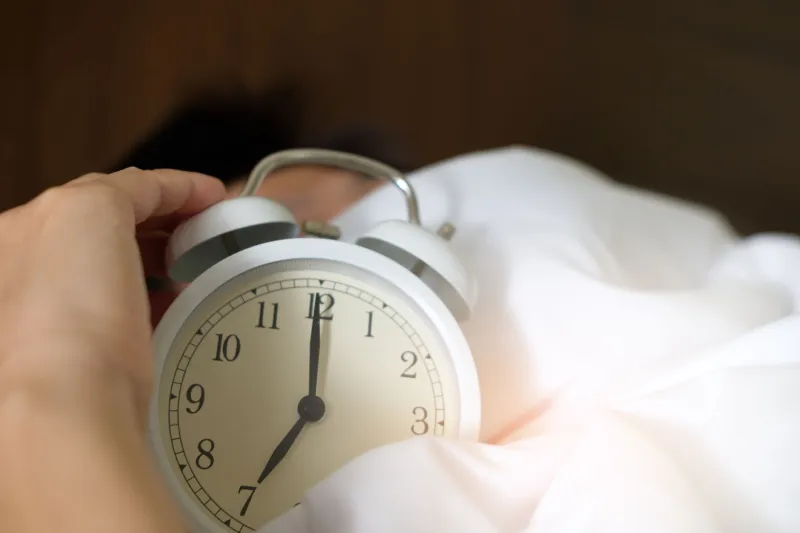
Photo: overnight shift worker sleeping during day medication bottle schedule calendar, via mobile-cuisine.com
For many people, trazodone is part of a familiar bedtime routine: take the tablet, turn off the lights, and settle in. For nurses, warehouse staff, security personnel, and others who work overnight, bedtime may arrive as the rest of the neighborhood is starting its day. The medication does not know what time it is, but the body does. A reversed schedule can place trazodone in the middle of competing signals from daylight, meals, caffeine, and the need to be alert when the body expects rest.
Atrazodone Online approaches this topic as a planning and observation question, not a do-it-yourself dosing question. The goal is to help overnight workers notice patterns clearly and discuss them with a clinician or pharmacist. Any change to how or when trazodone is taken should come from that clinical conversation.
Why a Reversed Schedule Changes the Question
Trazodone is prescribed for reasons that vary from person to person, and its sedating effects can differ widely. On a daytime schedule, a person may take it shortly before lying down at night. On an overnight schedule, the same instruction can become ambiguous. Should the dose be taken after the shift ends, before the commute home, or at the usual morning sleep time? The answer is not universal, and it depends on the prescription, the person's response, and the clinician's instructions.
Two forces often collide in overnight work. The first is sleep pressure, the natural build-up of sleepiness after long waking hours. The second is the circadian clock, which is influenced by light and darkness. A worker may finish a shift at 7 a.m. with high sleep pressure but step into bright morning light that tells the brain to be awake. Trazodone may add drowsiness on top of that mix. Meals and caffeine can further blur the picture.
Start With a Written Timeline, Not a New Dose
Before changing anything, keep a simple record for one to two weeks. A notebook or phone note is enough. For each day, track the time the trazodone dose was taken, the shift start and end times, meals, caffeine servings, the time you tried to sleep, the time you fell asleep, and the time you woke. Add a simple 1-to-10 rating for grogginess after waking and alertness during the shift. Note whether the dose was taken with food and whether the day was a workday or a night off.
This record is not meant to prove that one timing is right or wrong. It is meant to reveal a pattern that is hard to see in the moment. A person may discover, for example, that grogginess is heaviest on mornings after a late caffeine serving, or that sleep begins more reliably when the room is darkened before the dose. Such observations are useful information for a clinician or pharmacist, and they do not require adjusting the prescription independently.
The Commute Home Is Part of the Sleep Plan
For overnight workers, the drive home can be the most vulnerable part of the day. It arrives after a full shift, often in daylight, and may overlap with the sedating effect of trazodone. If drowsiness during the commute is a recurring concern, treat it as a safety issue rather than a personal failing. Consider a rideshare, public transit, carpool, or a planned rest before driving. Some employers offer quiet rooms or flexible departure arrangements.
A pharmacist can discuss whether the prescribed timing and the person's usual level of drowsiness warrant a conversation with the prescriber. Do not decide on your own to skip, split, or move a dose merely to make the drive home easier. The safer course is to report the pattern and ask for guidance.
Meals, Caffeine, and the 3 A.M. Break
Overnight shifts often reorganize eating. A heavy meal at 3 a.m. may feel like dinner, while coffee at 5 a.m. may be intended to carry someone through the final hours. Both can affect sleep later that morning. Caffeine is not a substitute for sleep, and its effects can linger for hours. The right cutoff is individual, but it is worth discussing with a pharmacist, especially when trazodone is part of the routine.
Food can also influence how a medication is absorbed, though the practical effect varies by product and person. If the prescription label gives instructions about food, follow them. If it does not, ask whether taking trazodone with a meal matters for this specific prescription. Keeping meal timing as consistent as possible on workdays can make the sleep record easier to interpret.
What to Bring to a Clinician or Pharmacist
A short, specific list of questions is often more useful than a general report that sleep is difficult. Consider asking:
- Is there flexibility in when I take trazodone on an overnight schedule, or should I keep a fixed time?
- Should I take it after my shift, before my commute, or closer to my daytime sleep period?
- Does food affect this prescription in a way I should plan around?
- How much time should I allow between caffeine and my sleep attempt?
- What should I do if my shift rotates or changes suddenly?
- Which side effects should prompt a call sooner rather than later?
- If I miss a dose because of a schedule change, what does the prescriber recommend?
Bring the written timeline to the appointment or pharmacy consultation. It can help the conversation stay concrete. The clinician may recommend keeping the current plan, adjusting the timing, or reviewing the prescription for other reasons. That decision belongs in the clinical relationship, not in a solitary experiment.
When to Seek Help Sooner
Seek prompt medical advice for excessive sedation, confusion, fainting, or a fall, and for any rare but serious reaction described in the medication information. Trazodone carries a rare risk of priapism, which is a medical emergency. Mental health changes, including worsening mood or thoughts of self-harm, also warrant immediate clinical attention. Overnight workers may be tempted to explain away symptoms as part of the schedule, but severe or new symptoms deserve a call.
A Practical First Month
For the first month on an overnight schedule, aim for observation rather than improvisation. Keep the dose as prescribed, record the timing and effects, plan the commute, and ask direct questions. In late 2026, as holiday shifts and changed staffing patterns approach, having a written plan can make schedule disruptions easier to discuss. A steady record and an honest conversation are more useful than guessing at the right hour on the clock.
Atrazodone Online encourages readers to treat timing questions as part of medication safety and sleep health together. The body may be on a reversed clock, but the prescription still deserves a clear, clinician-guided plan.