Steady on Your Feet: A Trazodone Safety Check for Dizziness When Standing
Trazodone is often prescribed for sleep and sometimes for depression, and many people take it without major problems. Even so, a small but important share of users notice a brief swimmy feeling when they stand up, especially in the first weeks of treatment or after a dose change. That sensation can be ordinary and temporary, or it can be a sign that blood pressure is dropping more than it should. The practical task is not to panic or to self-adjust the dose, but to observe patterns and involve a clinician when needed. This article is part of Atrazodone Online's medication safety coverage and is intended for general education, not as a substitute for personalized medical advice.
Why standing up can feel unsteady
When you rise from bed or a chair, blood vessels normally tighten to keep blood flowing to the brain. If that reflex is sluggish, blood pools in the legs and you may feel lightheaded, dizzy, or briefly faint. Clinicians call this orthostatic hypotension when blood pressure falls noticeably on standing. Trazodone's prescribing information lists dizziness and orthostatic hypotension among possible adverse effects. The medicine can affect alpha-adrenergic receptors and blood pressure regulation, and sedation may make the response feel more pronounced.
Not everyone experiences this. Risk can be higher during the first days and weeks, after a dose increase, when the body is short on fluids, in hot rooms, after alcohol, or when other medicines also lower blood pressure or cause drowsiness. Age and underlying health conditions can matter too, but younger adults are not exempt. The goal is to treat a symptom as information, not as a verdict.
The first weeks and dose changes deserve extra attention
Starting trazodone is often a gradual process. A clinician may begin with a low dose and adjust based on sleep, side effects, and other health factors. If you have recently started or increased trazodone, stand up in stages: sit on the edge of the bed for a moment, then stand while holding something stable, then walk. This is especially useful for nighttime bathroom trips, when darkness and grogginess combine. Keep a night light, clear a path, and avoid rushing.
Do not change your dose or stop the medicine on your own because of dizziness. If trazodone is being used for depression or another condition, abrupt changes can create other problems. Report the symptom and let the prescriber decide whether the dose, timing, or another medicine needs review.
Hydration, heat, and everyday triggers
Dehydration can make any blood pressure drop more noticeable. In the US, cool-weather months can still bring dry indoor heat, colds, and reduced fluid intake. Alcohol at holiday gatherings can add to drowsiness and lower blood pressure. Large meals, prolonged standing, and very hot showers or baths may also contribute. None of these factors is a reason to blame yourself; they are simply variables to note.
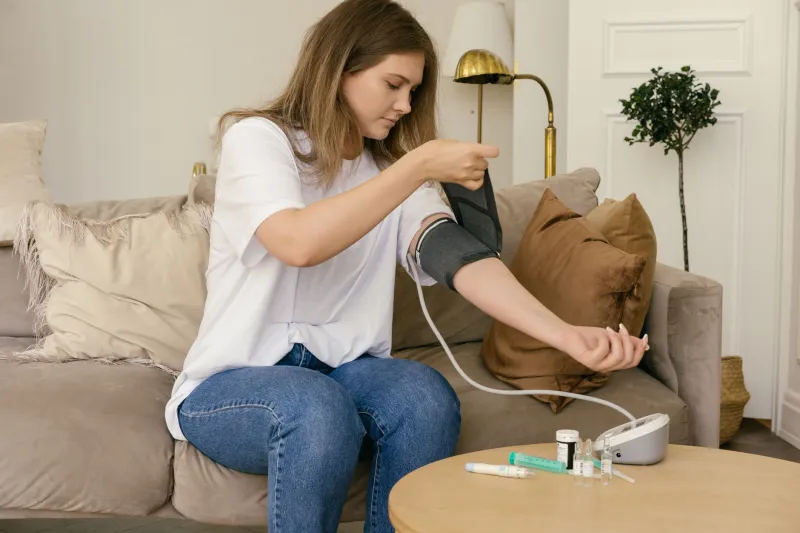
If you use a home blood pressure monitor and your clinician has asked you to track readings, follow their instructions. A common approach is to measure after sitting quietly and then again after standing, but do not delay urgent care to take readings. If you feel faint, sit or lie down first.
A practical symptom diary
A short record can turn a vague complaint into a useful clinical picture. Track for one to two weeks, or as your clinician requests.
| Date and time | What you were doing | Symptoms | Home BP if advised | Fluids, alcohol, heat | Medicine changes |
|---|---|---|---|---|---|
| Example: 11/10, 2:15 a.m. | Stood up from bed for bathroom | Brief lightheadedness, no fall | Seated 118/76; standing 102/68 | Little water since dinner | Trazodone 50 mg at 10 p.m. |
Also note whether symptoms happen only at night, after exercise, after skipping meals, or within an hour of taking trazodone. Bring the diary to your appointment and mention all prescription medicines, over-the-counter products, and supplements. Blood pressure medicines, diuretics, some antidepressants, and sedating products can interact with trazodone's effects. A pharmacist can help review the full list.
When to seek help promptly
Contact a clinician promptly if you have repeated near-fainting episodes, falls, new confusion, unusual weakness, palpitations, or dizziness that is worsening or interfering with daily life. Seek emergency care for fainting, a fall with head injury, chest pain, severe shortness of breath, sudden vision changes, slurred speech, one-sided weakness, or a very slow or irregular heartbeat. These symptoms can have causes unrelated to trazodone and need immediate assessment.
Questions to bring to your prescriber
Ask whether your blood pressure should be checked at home and how to do it safely. Ask whether any of your other medicines could compound dizziness. Ask what to do if you miss a dose or if a nighttime wake-up leaves you unsteady. Ask whether the timing of trazodone can be adjusted and whether lab work or a blood pressure review is warranted. Write the answers down so you can refer to them later.
Dizziness on standing is common enough to be worth discussing and serious enough not to ignore. For most people, simple precautions and a clinician's review are enough. The key is to avoid solo dose changes, document what you notice, and escalate red flags without delay. Atrazodone Online encourages readers to treat medication safety as a partnership with their care team rather than a guessing game.