The Blood Bank Questionnaire and Your Trazodone Bottle: A Donation-Day Disclosure Plan
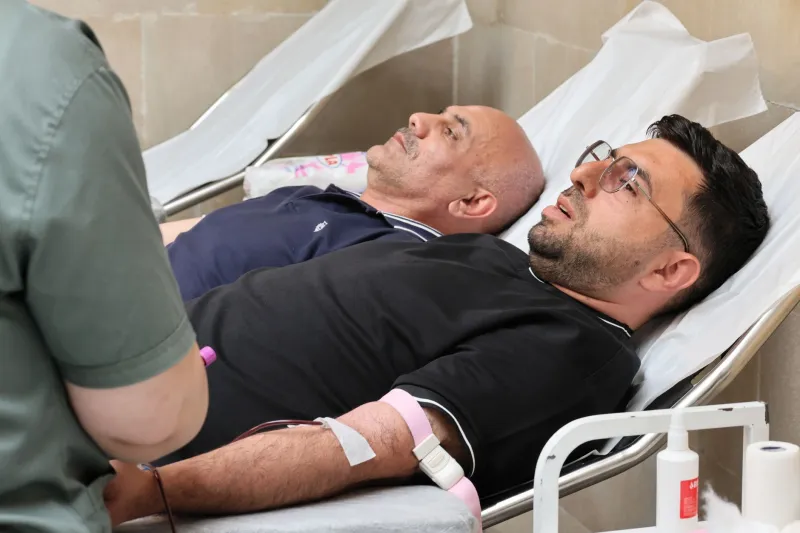
Donating blood is a generous act, and it asks something simple of you in return: an accurate account of your health and medications. If trazodone is part of your routine, that account should include it. The goal is not to create worry. The goal is to help the blood bank staff make a safe eligibility decision and to help you plan a donation day that does not leave you dizzy, drowsy, or stranded without a ride.
Atrazodone Online takes a patient-first view of medication safety. That means treating disclosure as a normal part of preparation, not a confession. It also means recognizing that blood donation can affect how you feel, and trazodone can affect how you feel. Planning for both is practical, not excessive.
Why trazodone belongs on the questionnaire
Many U.S. blood centers ask about medications because they need to understand your overall health, your risk profile, and whether a medicine could affect you during or after donation. Taking trazodone does not automatically mean you cannot donate. Eligibility rules vary by blood bank and by the reason the medication is prescribed, so the reliable answer comes from the collection center reviewing your specific situation.
What matters is that you do not leave trazodone off the list because it is "just for sleep" or because you have taken it for years. Tell the staff the dose, when you last took it, and why it was prescribed. If you also take other prescriptions, over-the-counter products, or supplements, include those as well. A written list or your medication bottle is easier and more accurate than trying to remember at the screening table.
What to say at the screening table
You do not need a speech. A short, clear statement is enough: "I take trazodone, [dose], at bedtime for [reason]. My last dose was [time and date]. I also take [other medications or supplements]." Then ask whether the center needs anything else, such as a prescriber's contact information or a note about the prescription.
If you are unsure how to describe the reason for the prescription, say so plainly. "It was prescribed for sleep" or "it was prescribed by my clinician for mood and sleep" is more useful than guessing. The blood bank staff are trained to ask follow-up questions. Your job is to answer honestly and let them apply their criteria.
Timing, drowsiness, and the ride home
Trazodone can cause drowsiness, dizziness, or a slowed feeling, especially when you are tired or when your dose has changed. Blood donation can also cause lightheadedness in some people, particularly if they have not eaten or drank enough. Those effects can overlap. That is why timing and transportation deserve a place in your planning.
Do not skip, split, or change your trazodone dose on your own just to donate. If you want to discuss timing, raise it with your prescriber or pharmacist in advance. Some people may be advised to donate at a time when they feel most alert; others may be advised to postpone. The right answer depends on your dose, your response to the medicine, and your health history.
Arrange a ride if there is any chance you will feel groggy or lightheaded afterward. Driving home in traffic is not the moment to test your alertness. If you feel dizzy, faint, or unusually sedated at any point, tell the staff immediately and do not rush out the door.
A donation-day checklist
- Confirm eligibility with the blood bank before your appointment, and mention trazodone when you call or check in online.
- Bring a complete medication list with doses and times, including trazodone and any sleep aids, pain relievers, or supplements.
- Ask whether the center wants you to bring prescriber contact information or a medication bottle.
- Eat a regular meal and drink water before and after donation, following the blood center's instructions.
- Avoid alcohol before and after donation, especially if trazodone tends to make you drowsy.
- Wear short sleeves or layers that make it easy to roll up a sleeve.
- Arrange transportation if you may feel drowsy, dizzy, or slowed after donating.
- Plan a quieter rest of the day rather than scheduling intense exercise or a long drive immediately afterward.
- Tell staff right away if you feel faint, sweaty, nauseated, or unusually sleepy.
When postponing makes sense
Postponing is not a failure. It is a safety decision. Consider waiting if you are already sleepy or dizzy before donation, if you have not slept well, if you are recovering from an illness, if you have had alcohol, or if your trazodone dose was recently changed and you are still learning how it affects you. If you have been lightheaded when standing or have fainted in the past, mention that to both your clinician and the blood bank.
A temporary deferral is common and often has nothing to do with trazodone itself. Blood centers regularly postpone donors for colds, travel, low iron, or short-term medication changes. The important thing is not to conceal information to get through screening. An honest answer protects you and the person who may receive your blood.
Questions to ask before you roll up a sleeve
- Does taking trazodone affect my eligibility at this blood center?
- Do you need the dose, the reason for the prescription, or my prescriber's contact information?
- Is there a preferred time of day for me to donate given that trazodone can cause drowsiness?
- What should I do if I feel groggy or lightheaded after donating?
- Should I bring a note from my clinician, and if so, what should it say?
- How long should I wait before donating again?
These questions are not a sign of overcomplication. They are the same kind of questions a careful donor asks about iron, hydration, or travel. Trazodone is simply one more piece of information to put on the record.
The bottom line
For most people, the path to donation is straightforward: disclose trazodone clearly, follow the blood center's instructions, plan for drowsiness and lightheadedness, and keep the option of postponing open. If you are unsure about your eligibility or how your medication affects you on donation day, contact the blood bank and your clinician before your appointment. Atrazodone Online encourages calm preparation over guesswork, and honest disclosure over worry.
This article is general information, not personalized medical advice. Your prescriber and the blood collection center are the best sources for guidance about your specific situation.