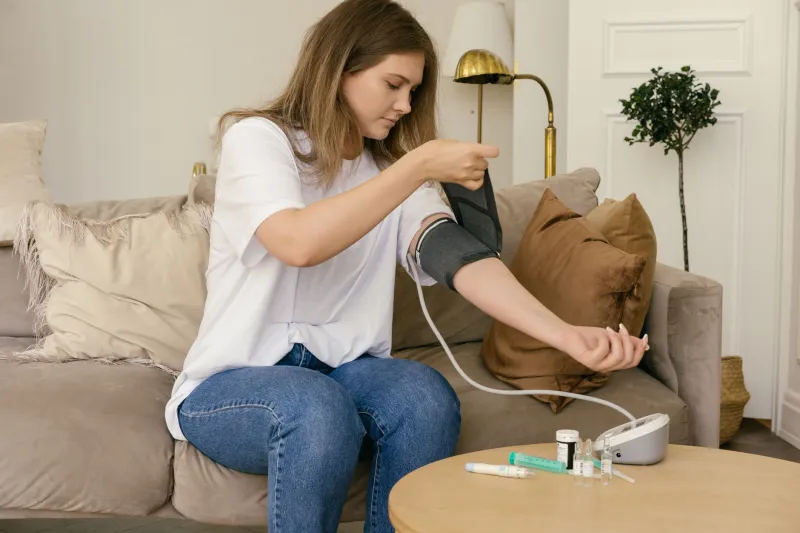
Trazodone and the Safety-Sensitive Workday: A 2026 Employer Conversation Guide

Trazodone is often taken at bedtime, but its effects do not always end when the alarm sounds. For some patients, the morning after a dose brings a lingering sense of heaviness, slowed reaction time, or difficulty feeling fully awake. On a quiet day at home, that may be merely inconvenient. On a workday that involves driving, heavy equipment, ladders, patient care, or split-second decisions, it deserves a more careful review.
This article is not a legal guide, and it does not replace advice from your prescribing clinician or employer. It is a practical framework for thinking through the workplace side of trazodone in 2026: what to observe, what to record, what to share, and when to pause before a routine task becomes a safety question.
Why Morning Effects Deserve a Workday Review
Trazodone can cause drowsiness, dizziness, and changes in alertness. For many people these effects are most noticeable shortly after a dose, but individual timing varies. Sleep length, sleep quality, other medications, alcohol, and the demands of the morning all influence how a person feels behind the wheel or at a workstation.
The workday question is not simply whether you feel tired. It is whether your current level of alertness matches the demands of the task in front of you. A desk-based morning with flexible pacing is different from operating a forklift, climbing a roof, or transporting passengers. Safety-sensitive work often requires quick judgment, steady balance, and reliable attention. If trazodone leaves you groggy during those tasks, the issue belongs in a conversation with your clinician rather than in a private guess about whether you are fine.
Know Which Duties Count as Safety-Sensitive
Employers use different definitions, but safety-sensitive duties commonly include commercial driving, operating powered industrial trucks, working at heights, handling hazardous materials, providing direct patient care, and using machinery that can injure the operator or others. Some roles are regulated by federal or state rules; others are governed by company policy. A job title alone may not tell the whole story. A short morning drive to a client site, for example, can carry the same attention demands as a longer route.
Before discussing anything with an employer, identify the specific duties that require your best alertness. Write them down in plain language. This keeps the conversation focused on tasks and timing rather than on a diagnosis or a medication name that may not be necessary to disclose.
Track Before You Talk
A brief symptom record can make a workplace conversation more concrete and can give your clinician useful information. Keep it simple and consistent for one to two weeks. Record the time you took trazodone, the time you went to bed, your approximate sleep duration, and a morning alertness rating from 0 to 10, with 0 meaning fully alert and 10 meaning too drowsy to drive or work safely. Add any tasks that felt harder than usual, such as backing out of a parking space, concentrating during a morning meeting, or steadying yourself on a ladder.
| Date | Bedtime dose and time | Sleep duration | Morning alertness, 0-10 | Task or symptom worth noting |
|---|---|---|---|---|
| Example | 50 mg at 10:15 p.m. | About 7 hours | 6 | Felt slow merging onto highway |
Do not change your dose or timing to make the worksheet look better. The purpose is observation, not self-adjustment. Bring the record to your clinician if morning grogginess persists, worsens, or affects safety-sensitive duties.
Decide What Your Employer Needs to Know
You are not required to share every medical detail with a manager. In many workplaces, the more useful conversation is about scheduling, temporary task adjustments, or the best time for a safety check. If your employer has an occupational health contact or human resources representative, that person may be the appropriate first point of contact rather than a supervisor who does not need clinical information.
Keep the discussion limited and task-focused. You might say that you are working with a clinician on a temporary alertness issue and want to confirm the safest way to handle specific duties. Avoid guessing about legal protections or promising an outcome before you have spoken with your clinician. Policies vary by employer and by state.
Conversation Scripts You Can Adapt
With a manager, a brief version may be enough: I am addressing a temporary alertness issue with my clinician. Before I take on early-morning driving or equipment duties, I would like to know the best way to follow our safety policy and whether a short-term schedule adjustment is possible.
With occupational health or human resources: I have a safety concern about morning drowsiness and certain job tasks. I can provide a note from my clinician if that is required. I would like to discuss temporary accommodations or a task review without sharing unnecessary medical details.
With a scheduling contact: My clinician and I are reviewing how a medication affects my morning alertness. Could we discuss whether my start time or task assignment can be adjusted temporarily while we confirm a safe routine?
These scripts are starting points, not scripts to read word for word. The goal is to be clear about the safety concern while keeping the conversation professional and limited.
Timing and Dose Changes Belong With Your Clinician
It can be tempting to move a dose earlier, cut a tablet, or skip a night to feel sharper at work. Those changes can affect sleep, mood, and the very drowsiness you are trying to manage. Do not alter trazodone dose or timing without guidance from the prescribing clinician. Ask specifically how the medication is expected to affect you the next morning, what to do if a safety-sensitive shift begins before the drowsiness clears, and whether a different schedule or formulation should be considered.
If a Safety Concern Arises at Work
If you feel too drowsy or unsteady to perform a task safely, stop and follow your employer's safety reporting process. Do not drive yourself home if you are impaired. Arrange a ride, contact a supervisor, or use the workplace process for unfit-for-duty concerns. The immediate priority is preventing harm, not protecting a schedule.
A Simple Review Routine for 2026
At the end of each workweek, review your notes for patterns. Are symptoms worse after shorter sleep, an earlier shift, or a particular task? Does the grogginess fade by mid-morning, or does it linger? Share the pattern with your clinician before making changes. If your employer asks for documentation, keep the request specific and ask what information is actually needed.
Trazodone can be a useful part of a treatment plan, and many patients manage it without workplace difficulty. The safer approach is to notice morning effects early, record them plainly, and bring both the clinician and the employer into the conversation only as far as the safety question requires.